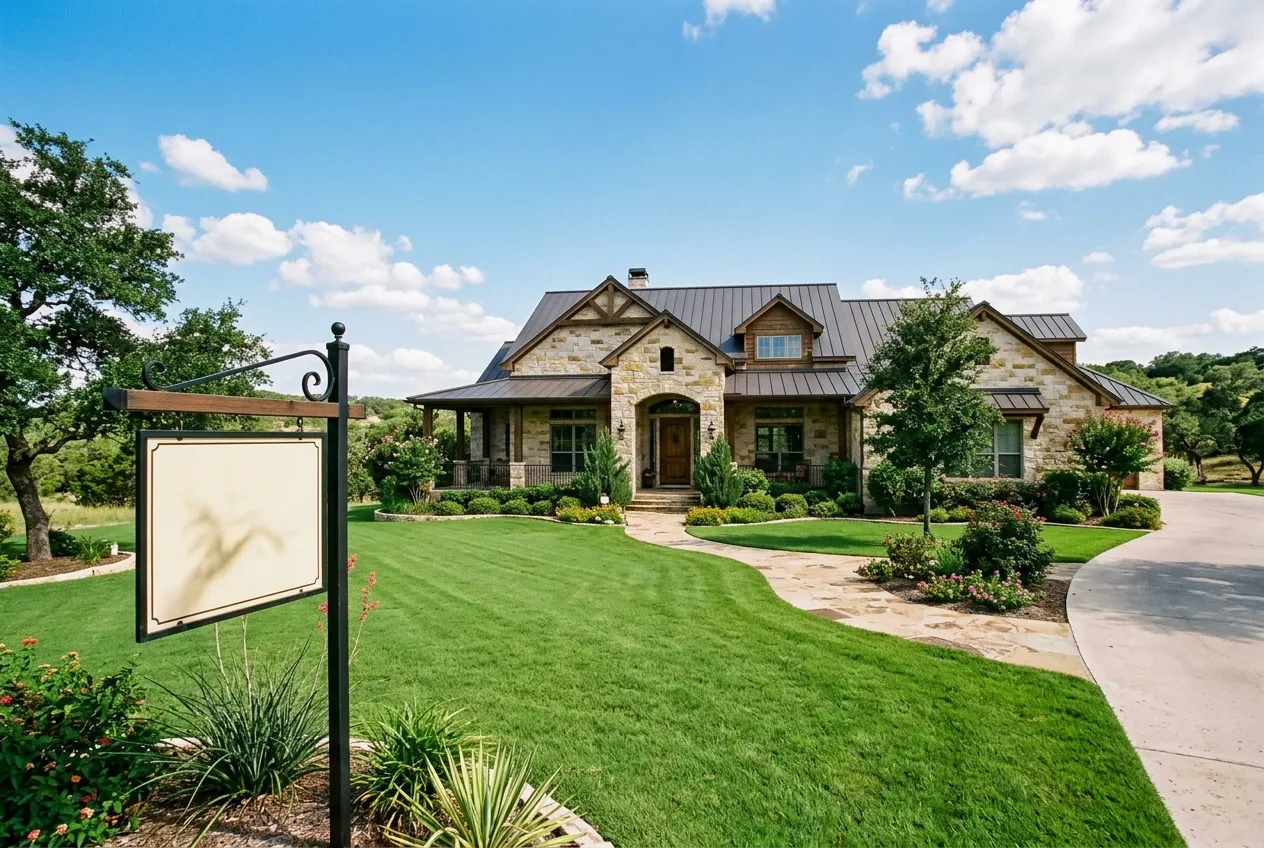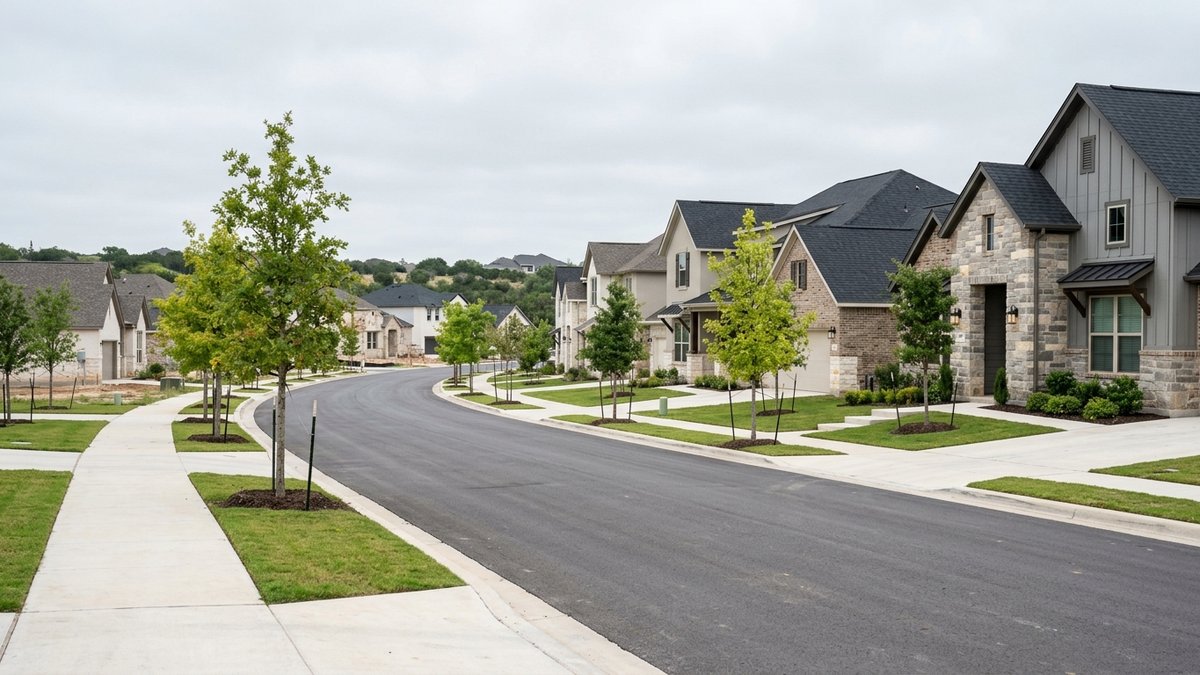
What Is The First Difference Buyers Should Check?
Start with the exact address, lot, and house. A neighborhood name doesn’t tell you the age of the roof, the condition of the HVAC equipment, the drainage around the yard, or the details in the seller disclosure. Those items affect the payment and the first few years of ownership.
Avery Park’s City planned-development record describes a single-family plan with 50-, 60-, and 70-foot lot types. It also designates open space, greenbelt, drainage, pond, and recreation areas. That is useful context when you tour, especially if a lot backs to a common area or sits near a drainage feature.
It does not tell you what condition that feature is in today. Walk the exact lot after a rain if you can. Look at grading, downspouts, fences, nearby retaining work, and where water appears to move. Ask the seller or builder for records when a listing mentions drainage work or a repaired area.
Dove Crossing deserves the same address-level review. An older home can offer a different yard, tree cover, floor plan, or location within the community. It can also have systems that need a closer inspection. A newer finish does not answer the major-system question.
Pull the seller disclosure next to the inspection report. If either document raises a roof, plumbing, foundation, moisture, or prior-repair question, get the details before you make the comparison about paint colors or countertops.
The practical rule is simple. Compare two homes in the same format. Include the same system ages, repair notes, lot observations, and expected near-term costs. That keeps a polished listing from hiding a more expensive ownership decision.
How Do HOA Documents Change The Comparison?
HOA documents can change the answer fast. Read the current documents for the exact home before you assume either community fits how you plan to live there.
Start with the management certificate and governing documents. The Texas HOA management-certificate search is a public starting point for identifying filed association information. Then request the current resale package for the property you are considering.
Check the regular assessment, transfer fees, pending special assessments, architectural rules, parking limits, leasing restrictions, fence rules, exterior changes, and any issue that matters to your plans. If you want a shed, solar panels, a work vehicle, a future rental, or an exterior project, get a clear answer before your option period ends.
Avery Park’s City development record includes common-area designations. That makes it especially useful to ask what belongs to the association, what the City maintains, and what affects the individual lot. A greenbelt or drainage area can be a benefit, but the paperwork should explain the ownership and maintenance picture.
Don’t compare dues alone. Compare what the documents require, the condition of shared features, the budget information available, and whether the rules match your plan. A lower assessment isn’t automatically the better deal if it comes with a restriction you cannot live with.
Use the Avery Park neighborhood page and the Dove Crossing neighborhood page to organize a tour. Then rely on the current address-specific documents when it is time to choose.
What Should Buyers Check About Taxes And Payment?
Build the payment from the exact parcel, not from a neighborhood estimate. Texas property taxes depend on the property’s taxable value and the local taxing units that apply. The Texas Comptroller explains that local governments set the rates while appraisal districts appraise property.
Use the Guadalupe Appraisal District property search for the exact address. Review the parcel record and ask your lender to explain the tax estimate in the payment. A prior owner’s value or exemption may not match what you will pay after purchase.
Do not treat the listing’s monthly estimate as the final answer. Ask what tax value was used, which exemptions are assumed, and whether the payment includes HOA charges, insurance, or a mortgage-insurance requirement. Put those figures beside the cash you need to close.
Insurance deserves the same attention. Get a quote for each address before you become attached to one home. The roof age, claims history, construction type, and exact location can change the answer. Review the flood map and ask an insurance professional about the property, rather than making a neighborhood-wide assumption.
The mortgage calculator is useful for a first pass. It is not a replacement for an address-specific lender estimate. A payment that looks close online can move once taxes, insurance, and HOA costs are added.
Keep this comparison plain. One row for purchase price, one for taxes, one for insurance, one for HOA costs, one for cash to close, and one for expected early repairs. That is enough to show where the real gap sits.
Why Should You Drive Both Routes More Than Once?
Drive the route from each home at the times you would actually use it. A quiet weekend showing does not tell you what a weekday morning, school pickup, grocery run, or return commute feels like.
The City of New Braunfels has issued public works notices affecting streets in and near Dove Crossing. A 2026 notice covered parts of Divine Way, Burleson Drive, and Eagle Pass. An earlier City notice covered Klein Road work near Dove Crossing Drive. Those notices are a reminder to check the current City traffic page before you decide a route is easy or difficult.
The dates matter. The Divine Way notice described work expected through late March 2026, so it should not be treated as a current July closure. Use it as a reason to verify present conditions, not as a reason to rule out a home.
Map two or three routes from each address. Then drive them at your normal departure and return time. Pay attention to turns, rail crossings, school traffic, construction signs, and the errands you make every week.
This is also where the exact lot matters. A home close to a route you use can be convenient. It may also bring more traffic sound or a different parking pattern. Visit at more than one time of day and make notes before you see the next listing.
If you are relocating, the New Braunfels relocation guide can help you map the bigger move. For this choice, the small daily route details often decide which home feels easier to own.
What Does A Useful Avery Park And Dove Crossing Comparison Sheet Look Like?
Use one sheet with one column for the Avery Park home and one for the Dove Crossing home. Fill it out while the information is fresh, not after the option period starts to feel short.
Include these rows:
- Listing date and contract deadline.
- Lot position, nearby common area, drainage, and parking observations.
- Year built, roof age, HVAC age, water heater age, and inspection findings.
- Seller disclosure, repair invoices, warranties, and unresolved questions.
- HOA documents, regular assessment, transfer fees, restrictions, and any special-assessment notice.
- Appraisal-district record, lender tax estimate, insurance quote, and flood-map review.
- Route tested, time tested, current City traffic notice checked, and alternate route.
- Active alternatives, asking terms, included features, and cash needed to close.
Add a source and date checked beside every changing item. Put a cost or timing effect beside every unanswered item. If one home has a roof question, a document gap, or an insurance quote you have not received, it should stay visible in the comparison.
This framework is different from a broad neighborhood ranking. It helps you decide between two real addresses with two sets of obligations. That is the point of the comparison.
The buyer guide explains the broader steps, and contact Peter before you sign if you want help comparing the inspection, appraisal, payment, and contract questions. Bring the sheet with you. It makes the buyer conversation more useful.