What Makes a Busy-Road Home a Property Decision?
A New Braunfels home on a busy road can be a good buy when the exact property works for your routine and the road trade-off is clear before you make an offer. Start with the house, its driveway, its frontage, and the rooms and outdoor space you will use. Then compare those facts with the route and the road information for that address. A broad label such as busy road does not tell you whether the home feels manageable every day.
The same road can produce very different experiences. One home may have a simple turn, a usable back yard, and a layout that puts bedrooms away from traffic. Another may depend on a difficult left turn, face headlights at night, or have outdoor space that does not fit how the household wants to live. The question is not whether the road is busy in the abstract. It is whether this home gives you enough in return for the access, sound, and visibility you will live with.
Keep the comparison practical. Write down where each driver needs to go during a normal week. Include work, school or care drop-offs, groceries, appointments, activities, and trips out of town. A location that helps one regular trip may add friction to several others. The New Braunfels neighborhoods guide can help you keep the wider location search organized, but it cannot replace an address-level check.
A useful buyer decision has two parts. First, can you use and enjoy the property as it sits today? Second, can you explain the trade-off to yourself without relying on a hope that traffic, access, or nearby road conditions will feel different later?
How Should You Test the Driveway and Daily Route?
Test the driveway and route at the times you expect to use them. Drive to the home near your likely morning departure or evening return. Pull in and out yourself. If more than one person will drive there, make sure each regular driver is comfortable with the turn, sight lines, backing movement, and wait for a gap in traffic. A quick midday showing does not answer the same question.
Make the route test specific. Drive from the house to the destinations that matter, then take the return trip. Notice the turns that require patience, the places where traffic stacks up, and whether a weather event or school-hour pattern could change the trip. Repeat the visit on a different day when the house is high on your list. You are not trying to prove that traffic will always be easy. You are deciding whether the routine is acceptable for your household.
If the home fronts a state highway, access has another layer. TxDOT says work to construct or revise a driveway on state highway right of way requires a fully executed permit before construction begins. That does not mean an existing driveway is a problem, and it does not tell you whether a future change will be approved. It means you should not assume you can move, widen, add, or reconfigure access after closing. Ask the appropriate qualified local professional to verify the existing setup and any plan you are considering.
Keep notes from each visit. Record the time, route, driveway experience, and any question that needs a property-specific answer. Those notes are more useful than a general impression once you have toured several New Braunfels homes.
What Should the Survey and Title Materials Clarify?
The survey and title materials should help you frame the access questions that a drive-by cannot answer. Review the documents available for the property and ask about anything that affects frontage, recorded easements, shared access, restrictions, or responsibility for a private road or common drive. If the home is in an association, request the applicable documents and identify who can explain the maintenance or access questions tied to that property.
This is also the time to compare what the paperwork suggests with what you saw on site. Does the driveway appear to serve only this property? Is there a gate, side drive, drainage feature, or visible shared area that needs a clearer explanation? Is the road city, county, state, or private? A New Braunfels mailing address alone does not establish which local process or agency applies.
Do not turn a survey or title question into a guess. A title company, surveyor, attorney, association, road owner, or local agency may each have a different piece of the answer. The buyer’s job is to spot the question early enough to get the right information before the relevant contract deadlines. Pete can help you keep those property questions visible while the appropriate professionals address their part.
A home with a busy-road location does not need to have a complicated access story. The point is to confirm the actual arrangement rather than assuming that curb appearance tells the whole story.
How Can You Check Traffic Data and Road Plans?
Use official information to add context to your visits, not to replace them. TxDOT makes traffic-count maps available for Texas roads and says its STARS II system can show daily, hourly, directional, vehicle-classification, and historical statistics where data are available. Check the relevant roadway when it is on the state system, then pair that information with your own route test. A count can show that a corridor carries traffic. It cannot tell you exactly what a bedroom, patio, or driveway will feel like at a particular house.
For homes in New Braunfels or the city’s ETJ, look at the City Thoroughfare Plan and the City capital-program resources. The City says the Thoroughfare Plan identifies existing and proposed major roadways and helps guide growth and preserve right of way. The City also says that plan does not establish an exact alignment, final construction documents, immediate construction, or a set project timeline. That distinction matters. A line on a planning map is a reason to ask more questions, not a prediction about the property.
The City also provides transportation information, traffic alerts, and a capital-project map. Check those resources close to each visit when construction or a closure could affect the route. For a home outside city limits, look to the applicable county and TxDOT when relevant. Keep the source and the date with your notes because project information can change.
The home near I-35 guide covers a broader highway-corridor comparison. A busy-road purchase needs a narrower check: the exact driveway, the exact frontage, and the exact planned-corridor information that applies to the address you may buy.
What Does the House Feel Like Beyond the Curb?
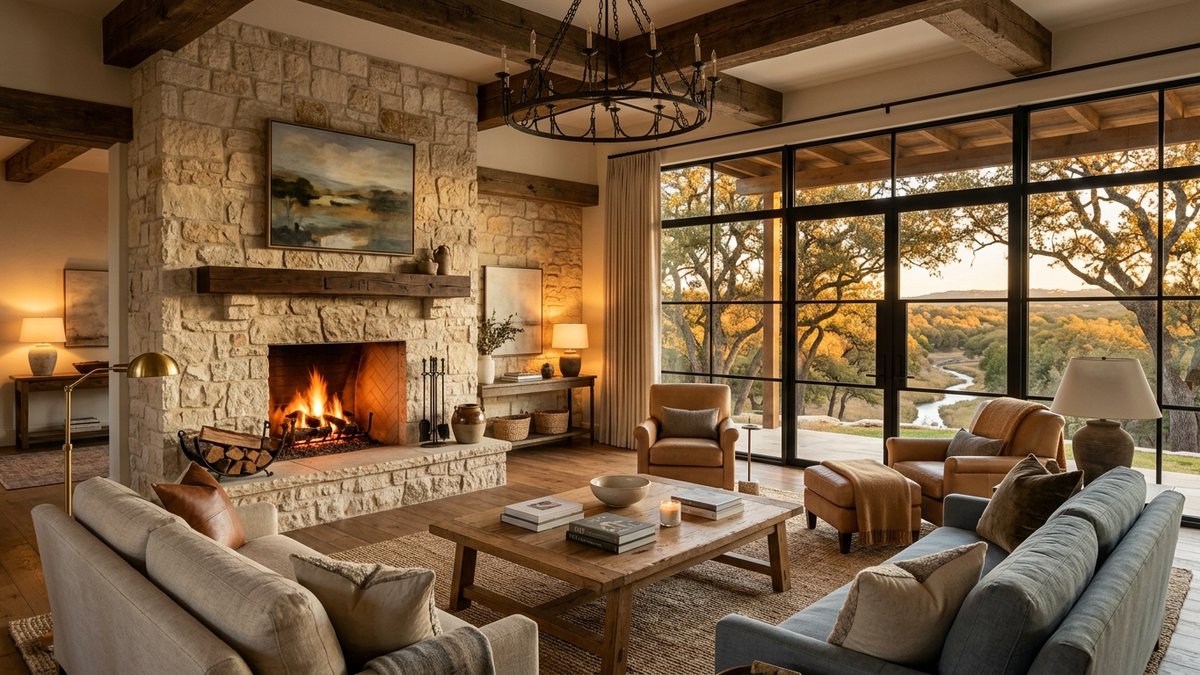
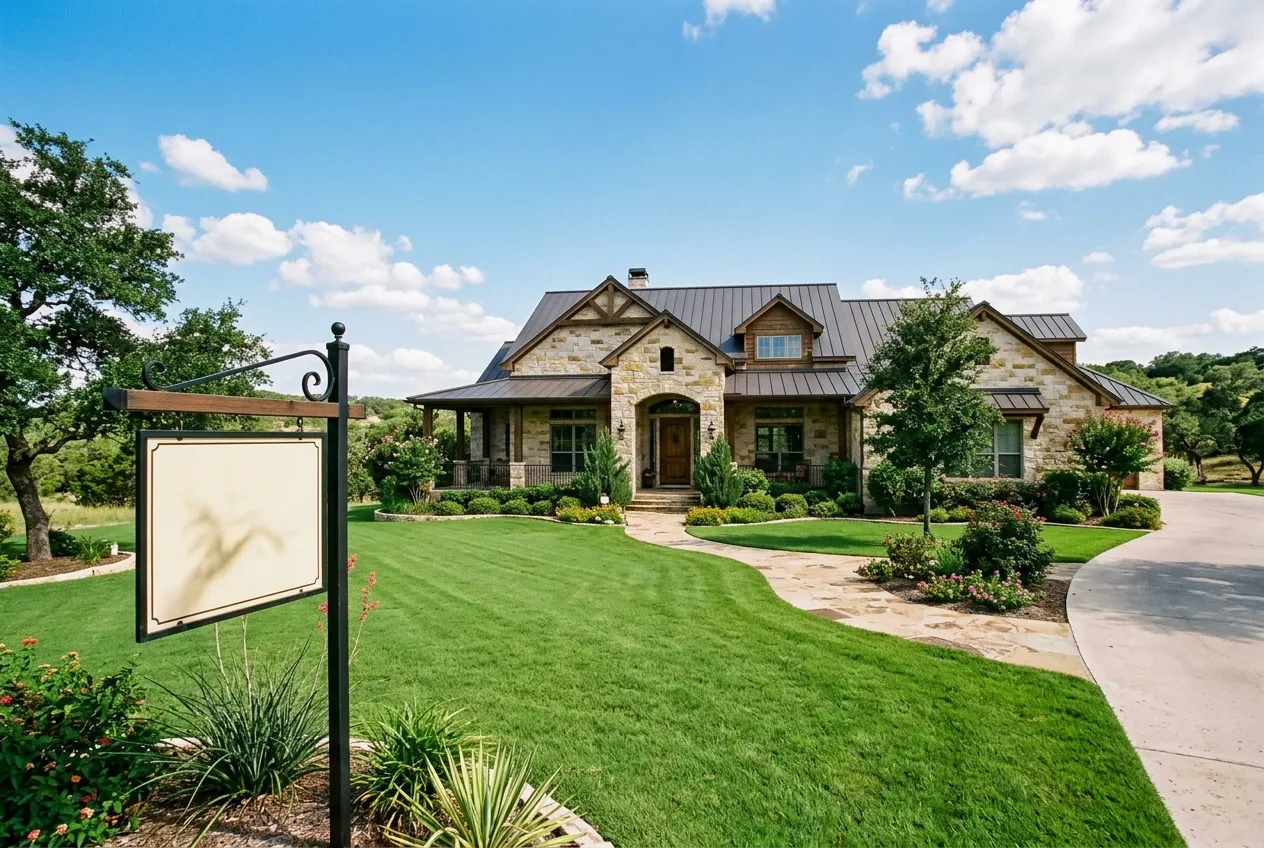
Spend time where you expect to live, not only where the listing photograph was taken. Stand in the front yard, back yard, driveway, garage, and the rooms that face the road. Listen with windows open and closed. Notice headlights, vehicle noise, sight lines, delivery activity, and whether the outdoor area still feels useful at the time you expect to use it.
Look at the layout as well as the lot. A home can have road exposure while keeping bedrooms, a study, or the main outdoor area on a quieter side. Another home may place the rooms you use most directly toward the road. There is no universal answer about which layout is right. The useful answer is whether the daily experience matches your household’s tolerance and plans.
Bring the same checklist to every serious option. That keeps one noisy visit or one quiet hour from carrying too much weight. If you are comparing a busy-road home with a quieter home, make both visits at similar times. You want a fair comparison, not a perfect one.
The home inspection remains a separate property-condition step. Road noise, access comfort, and future-corridor questions are location and fit questions. Keep them on your buyer list alongside the usual inspection, insurance, title, and financing questions instead of assuming one process answers all of them.
How Should You Compare the Resale Trade-Off Before an Offer?
Compare the busy-road home with one or two quieter alternatives before you write an offer. The goal is not to predict a future sale price or decide that one location will fit every buyer. The goal is to be honest about the trade-off you are accepting and the property benefits that make it worthwhile for you. A lower price, a larger lot, a better layout, or a route that saves real time may make sense. The benefit should be specific enough to matter after the first excitement of the showing fades.
Use one worksheet for each address:
| Check | Busy-road home | Quieter alternative |
|---|---|---|
| Driveway and route at tested times | Notes from actual visits | Notes from actual visits |
| Indoor and outdoor comfort | Windows, rooms, lights, and yard | Windows, rooms, lights, and yard |
| Access and record questions | Survey, title, road, or association follow-up | Survey, title, road, or association follow-up |
| Road information | Current traffic, City, county, or TxDOT check | Current traffic, City, county, or TxDOT check |
| Trade-off you accept | Benefits that matter to your routine | Benefits that matter to your routine |
A table like this keeps the decision from turning into a debate about whether busy roads are always good or bad. It also helps you explain what needs more verification before the offer. If a question remains open, identify the person who can answer it and the deadline that matters.
For a broader offer process, use the buyers guide and the easement questions guide with your property notes. If you want help comparing specific New Braunfels homes before the decision gets rushed, contact Peter with the addresses and your checklist.