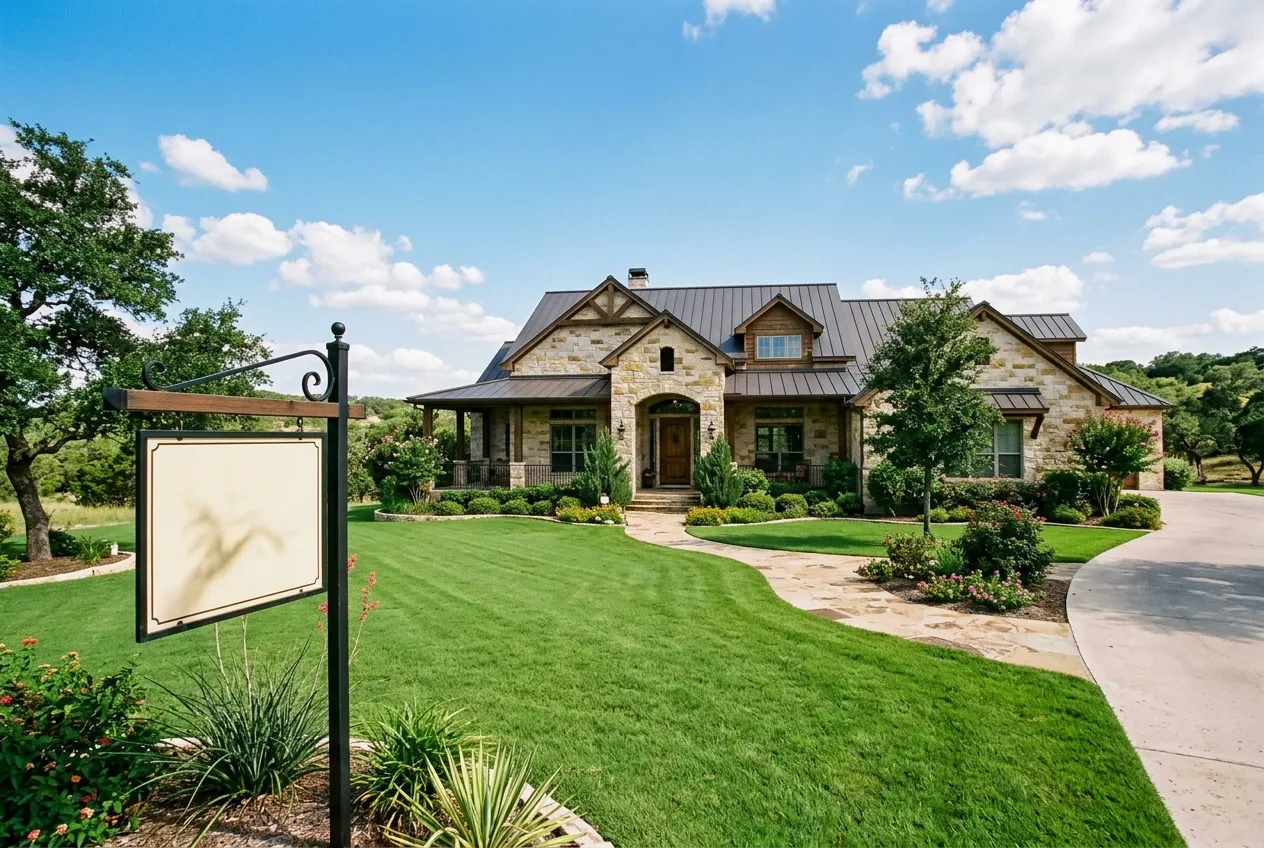
What are you really comparing when a New Braunfels home has a metal or shingle roof?
You are comparing the condition and paper trail of one specific roof, not choosing a universal winner between two materials. Start with the roof’s age, installation history, visible condition, repair and claim history, inspection findings, and the insurance terms available for that address. Those facts tell you more about the offer risk than the material name in a listing.
Metal and composition shingles also include different products and profiles. Texas Department of Insurance guidance says material, installation, age, and condition can affect insurance questions. That means two roofs made from the same broad material can still produce different underwriting or replacement conversations. A buyer looking at homes in New Braunfels and nearby Comal or Guadalupe County communities should ask what is actually installed, how it has performed, and what a carrier will write for that property.
The practical question is whether the roof is documented, serviceable, inspectable, and insurable on terms you understand. If the answer is unclear, treat that uncertainty as part of the property decision. Do not fill the gap with the assumption that metal is premium or that shingles are disposable.
Which roof records should you request before making an offer?
Request the installation year, the exact material and profile, installer information, permit records when available, repair records, insurance claims, and any known storm history. Ask for documents rather than relying only on a listing description or a general statement that the roof was replaced. If the seller does not have a record, write down that the age or installation history remains unknown.
These records give the inspector and insurance professional a better starting point. They can also show whether the roof has had repeated repairs, whether a recent replacement covered the whole roof or only part of it, and whether the current material matches the paperwork. Do not guess a remaining service life from the material alone.
Age matters because TDI says roof age and condition may affect claim settlement and insurability. A missing date is therefore more than a paperwork inconvenience. It is an unresolved question that may affect the quote, the policy terms, or the replacement planning you do after closing.
How can roof age and condition change the insurance comparison?
Get an insurance quote for the exact address and ask how the carrier would handle the roof’s age, condition, and settlement basis. TDI distinguishes replacement-cost and actual-cash-value coverage, so ask which basis applies to the roof and how depreciation or age would be considered in a covered loss. Do not compare premiums without comparing the terms behind them.
Ask about the wind and hail deductible, any roof-specific requirements, whether the carrier will inspect the property, and whether the roof could affect eligibility or renewal. TDI notes that insurers may inspect a roof and may decline a roof in poor condition. A quote based on incomplete information is not proof that the final policy will have the same terms.
Also ask whether the policy has a cosmetic-damage exclusion for hail. TDI explains that a metal roof may have cosmetic hail damage excluded even when functional damage remains covered. That is a policy question for the carrier, not a reason to label the material good or bad. Pete’s New Braunfels insurance comparison guide can sit alongside the property-specific questions you send to the insurance professional.
What should a buyer ask about a metal roof?
Ask what type of metal roof is installed, when it was installed, who installed it, what repairs or claims exist, and what the inspection found. Then ask the insurance professional how that exact material and installation will be treated. TDI points out that installation and material differences matter, so the phrase metal roof does not answer the underwriting question by itself.
Hail is a separate question from whether a roof continues to keep water out. Ask whether the proposed policy treats cosmetic denting differently from functional damage. A policy may exclude cosmetic hail damage while still covering functional damage, and that distinction can change what a future claim means for the owner.
If the roof is represented as impact resistant, request the product classification and paperwork the carrier accepts. TDI says insurers set their own requirements for accepted testing, documentation, and any credit. Do not count an insurance discount or assume a specific coverage outcome until the carrier confirms it in the quote or policy documents.
What should a buyer ask about composition shingles?
Ask for the exact shingle product, installation date, repair and claim records, visible condition, and any impact-resistance documentation. Composition shingles are not one uniform insurance category. TDI says both shingles and metal may qualify for impact-resistant roofing credits when the product meets the applicable tested impact class.
Class 4 is the highest impact-resistance classification referenced by TDI, but the classification alone does not set your premium or guarantee a credit. The insurer decides which tests and paperwork it accepts and how it calculates any available credit. Get that answer for the specific address and product.
A shingle roof with clear records and a favorable inspection may be easier to evaluate than a newer roof with no documentation. The reverse can also be true. Compare the roof you can verify, including its age, condition, storm history, and policy terms. The material label should start the questions, not end them.
How should the inspection and insurance quote work together?
Use a qualified inspection to document visible roof condition, then give the report and roof records to the insurance professional when asking for a quote. The inspector and carrier answer different questions. The inspection describes observable conditions and findings. The carrier decides how its underwriting, deductibles, exclusions, settlement basis, and documentation rules apply.
Ask the inspector to identify conditions that need clarification, repair planning, or a closer review. Ask the insurance professional which findings or missing documents could change the available terms. If the two conversations produce different assumptions about age, condition, or damage, pause and resolve the difference before treating the roof as a settled part of the offer decision.
If you are already under contract, organize the review around the deadlines in your agreement and ask your agent which dates control your available inspections and decisions. For broader prompts, see Pete’s New Braunfels home inspection problems guide. This article is general education. A qualified inspector and insurance professional must answer property-specific questions.
Use this roof comparison worksheet before you decide
Record the same information for every home you compare. Start with the address and roof material or profile. Then record the installation year, installer and permit records, repairs, claims, storm history, visible condition, inspection findings, impact classification, policy settlement basis, wind and hail deductible, cosmetic-damage exclusion, and any documents the insurer requires.
Next, mark each item as verified, needs clarification, or unknown. Ask for a property-specific replacement estimate or planning number from an appropriate professional when the roof’s age or condition suggests future work. Do not invent a reserve from a generic material price. The amount depends on the roof and property, and the sources in this brief do not provide a local replacement-cost estimate.
A roof comparison is ready for an offer conversation when you understand what is installed, what the inspection found, what the carrier will insure, what exclusions and deductibles apply, and which future cost questions remain open. If several important boxes are unknown, bring the worksheet to Pete and the relevant professionals before treating one material as the deciding factor. Start with the New Braunfels buyers guide and use the contact page when you want help organizing the property questions.