What skylight is installed, and which records can you request?
Identify the existing unit before judging its benefits or planning a change. During a New Braunfels showing, record the room, whether the skylight appears fixed or operable, and any product information the seller can provide. A broad listing description such as “skylight” leaves the glass, controls and installation history open.
Ask for the manufacturer, model, installation date and available invoice. If the seller has a manual or product label, keep a copy with your property notes. Give that information to the inspector or specialist. Avoid guessing the age from the room’s finish or assuming that a recent roof means the skylight was replaced too.
Request records of skylight repairs and later roof work around the opening. Ask what was changed, who performed the work and whether a follow-up inspection occurred. A roof invoice may describe only the roof covering. Have the contractor explain whether the skylight, flashing or surrounding materials were part of the scope.
Keep each unit separate if the home has more than one. The kitchen skylight and a hallway unit may have different histories. Label your notes by room and photograph accessible features with permission. Do not climb onto the roof, reach across an opening or remove trim to find information during a showing.
Missing records belong on the question list. They do not establish a defect or prove that the installation is sound. Write “installation date unknown” rather than converting the seller’s estimate into a confirmed date. That distinction gives the professional assessing the unit a clear starting point.
Use the New Braunfels home showing checklist to keep these requests alongside the rest of your property notes. For the skylight, the immediate goal is a reliable description of what you would own and which parts of its history still need an answer.
What do stains or moisture around a skylight tell you?
Staining, peeling paint or visible moisture needs an explanation. Record where you saw it and ask a professional to identify the cause. A mark beside the opening cannot tell you on its own whether water entered from outdoors, condensation formed, or an older problem was repaired.
DOE’s general skylight-inspection guidance points to interior paint and framing clues, then calls for assessment of the unit, roof covering, sheathing and framing. It also highlights flashing and other water-management details. These are inspection considerations, not instructions for a buyer to open the assembly or test it during a showing.
Ask the seller when the mark appeared, whether it changed after rain, and what work followed. Request any repair invoice or specialist finding. Keep that account separate from what the inspector can observe now. A dry ceiling on the day you tour provides a limited observation, especially when the earlier concern was intermittent.
Condensation needs its own discussion. VELUX’s manufacturer warranty summary distinguishes liquid-water penetration from condensation related to humidity and temperature differences. That distinction applies to its warranty discussion. It does not diagnose moisture in another brand’s unit or establish the cause of a stain in this house.
Describe the observation precisely. “Moisture on the room-side glass” and “stain on trim below the opening” are different notes. If the location is unclear, leave it unclear until someone can assess it. Avoid calling every wet mark a roof leak or accepting “only condensation” as a complete answer.
Bring the photos, history and questions to the inspector. Discuss whether a skylight or roofing specialist should follow up. The New Braunfels inspection guide helps organize that broader conversation. Here, focus on the cause, any damage and the work needed to address the actual finding.
Does the daylight work for the way you use the room?
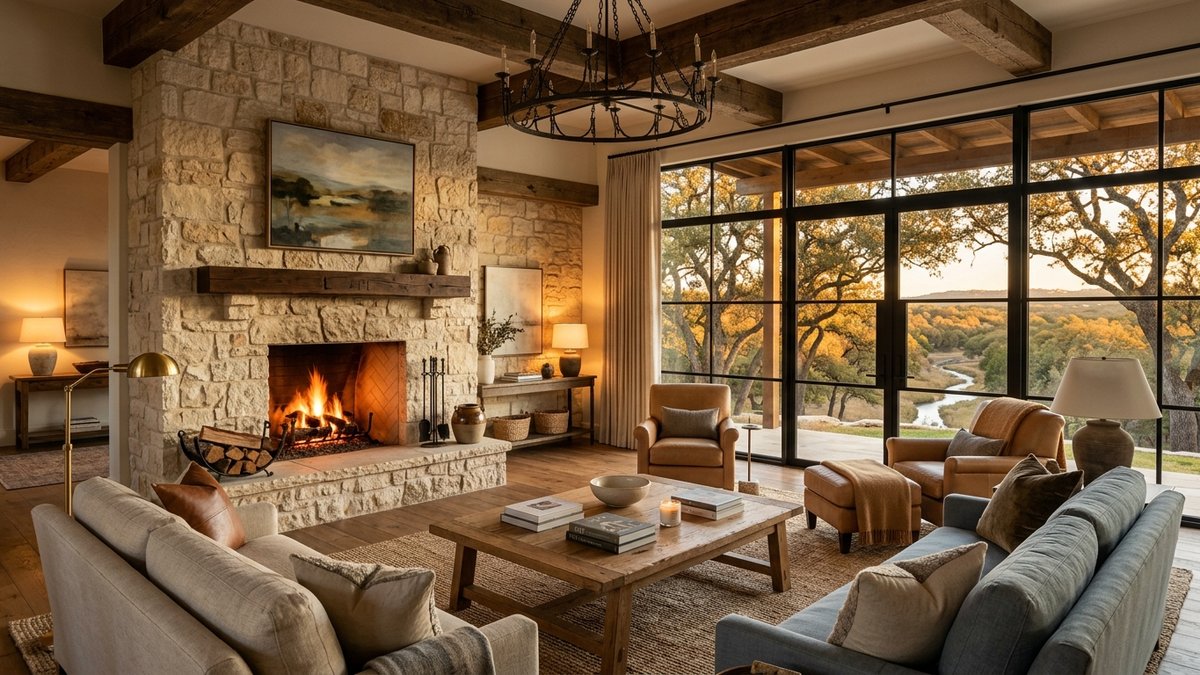
Judge the light from the places where you would spend time. A bright listing photograph can show the appeal without showing how the room feels during your routine. Think about reading, preparing food, watching a screen or resting in the space, then stand or sit where those activities would happen.
DOE’s general daylighting guidance explains that skylights and solar tubes can bring light into interior rooms. It also treats glare and unwanted heat as design considerations. Use that context to frame your showing questions. It does not establish a comfort problem or energy saving in the New Braunfels property you are considering.
Notice whether a shade is installed and ask permission to see how it operates. Can you reach a manual control from a safe position? Is a remote present, and does the seller have the operating instructions? Record a missing control as something to resolve rather than assuming a replacement will be simple or inexpensive.
If another showing is possible, ask to visit at a different time. Look at the seating position, work surface and screen you expect to use. A beam of light that looks attractive across an empty floor may fall where you want your desk. Treat that as a room-use question you can test.
Glazing information adds another piece. ENERGY STAR’s national program evaluates windows, doors and skylights against performance requirements for climate zones. Ask for the installed product’s documentation. A visible brand name or the phrase “energy efficient” does not establish which model is present or whether its installation is sound.
Keep comfort preferences and technical questions separate. You may like the light while still needing an answer about the glazing or shade. Ask a qualified specialist about product-compatible options before relying on a future alteration. Choose based on the existing room and a verified scope for any change you consider essential.
Who should check the roof connection and service access?
Discuss the skylight assembly with the inspector before the appointment. Ask which parts can be assessed, how the roof-side connection will be viewed, and what may remain inaccessible. The inspection report should help you understand the observed condition and the limits of that observation.
Texas Real Estate Commission guidance explains that required inspections do not include hidden or concealed items. Its roofing FAQs also address reporting visible flashing deficiencies. A finished ceiling and an attractive roof do not let someone certify every layer around the opening. Ask what was accessible and whether a specialist is needed for a specific unresolved concern.
Service access deserves attention even when no defect has been identified. Ask a qualified contractor how cleaning, controls, glazing or flashing would be serviced in this house. A unit high above a stairwell may present a different access question from one over a low hallway. Leave ladders, roof access and any dismantling to the appropriate professional.
If replacement or repair is proposed, request a written scope. Have the contractor identify whether it includes the unit, flashing, roof covering around it, interior finishing and cleanup. Ask which findings could change the work after access is obtained. These are comparison questions, not a claim that every project needs every item.
Warranty language requires the same care. Obtain the actual terms for the identified product and ask the manufacturer about eligibility before counting on coverage. VELUX’s summary directs readers to its full written warranty and lists installation and maintenance conditions. A general “no leak” phrase cannot establish coverage for the unit at this address.
Keep roof-work records beside the skylight paperwork. Give both to the person evaluating the assembly, and ask that the recommendation distinguish observed defects from inaccessible areas. A defined answer will be more useful to your purchase discussion than an unsupported promise that the feature will never need attention.
How can you organize the answers before choosing the home?
Make one skylight card for each unit and keep unanswered questions visible. Use the same card when you return to the property so a favorable impression of the room does not replace the information you still need. Start with the room, unit identity and records available.
Add a water entry for your observation, the seller’s account and the professional finding. Keep those three items separate. For example, a stain near the opening is your observation. A seller’s explanation of a past repair is history to verify. A specialist’s assessment is the technical answer you requested.
Next, record how the daylight suits your planned use, which shade or controls are present, and what needs to change. Put any essential alteration beside a written professional scope. You can then distinguish a workable room from one that depends on an unconfirmed project.
Give the service questions their own entry. Note access, available maintenance instructions, repair recommendations and any warranty answer received from the manufacturer. If a quoted scope leaves interior finishing or hidden damage conditional, retain those exclusions when you compare the numbers. Avoid turning an incomplete estimate into a fixed purchase allowance.
Set a working outcome for the feature. It may fit as installed, fit subject to a defined repair, or remain unresolved because a question could change your decision. Those are your planning categories. They do not replace inspection findings or determine a seller credit, appraisal adjustment or future resale value.
Keep any expected skylight work separate from funds needed to complete the purchase. The New Braunfels buyer closing-cost checklist covers that different part of your preparation. Bring the card, records and professional findings into the property discussion, and identify who will answer each remaining question before you rely on the feature.