How does the shade fit the way you would use this lot?
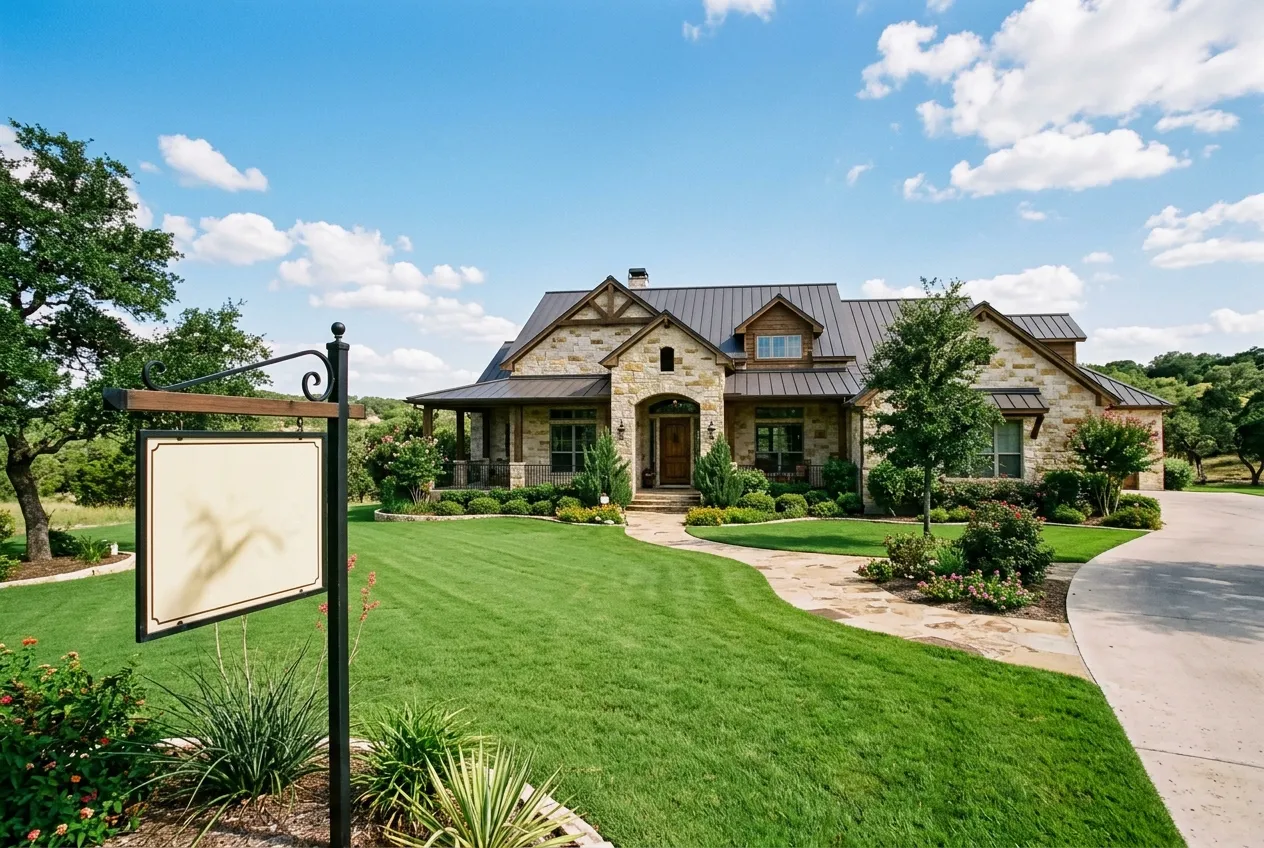
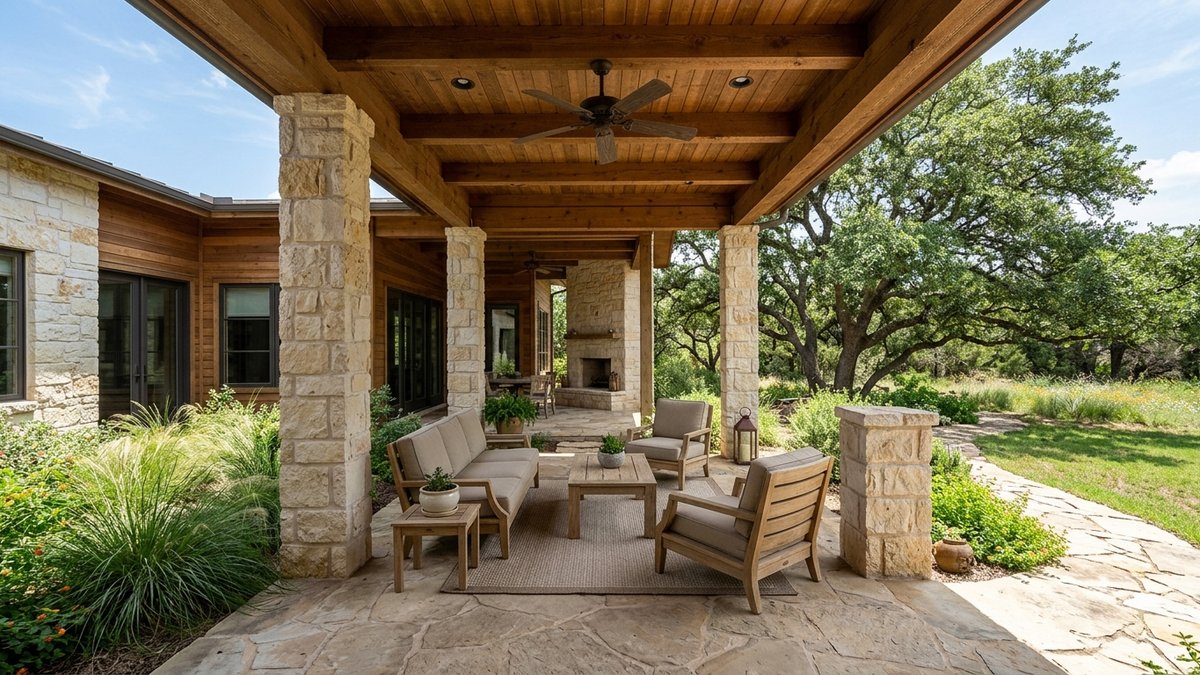
Judge the shade at the actual property, at the time you tour, and in relation to the spaces you would use. A mature oak over a patio may change how that spot feels in the afternoon. A canopy over a driveway or much of the roof raises different maintenance questions. Walk the front and back of the lot and note which trees affect the house, outdoor seating, parking, and areas you might change later. Shade can be attractive without being equally useful in every position.
A tour gives you one view of the light. Time of day, season, and the direction the house faces can change that view. If shade is a major reason you like the home, consider another visit at a different time when available. Ask whether you are drawn to the tree itself, to a cooler-feeling place to sit, or to the privacy the canopy seems to create. Those are different benefits, and a tree may provide one without the others. Avoid attaching a fixed dollar value or energy saving to the shade without property-specific evidence.
Look at the practical layout too. Is there room to use the yard without placing a planned path, addition, or patio close to a large trunk or root zone? Would routine access for tree work be difficult because of a fence, narrow side yard, or adjacent structure? These questions make the tree part of the home’s fit, not a decorative detail. If you are already using a New Braunfels showing checklist, add a note for each substantial tree rather than writing only ‘nice shade’ beside the address.
The goal is a clear trade-off. Record what the canopy gives you today and what you still need to learn about condition, ownership, and care. A house can have beautiful shade and still call for a specialist visit before you feel comfortable with the lot.
Where do the branches and roots meet the house?
Map each large tree against the roof, driveway, walkways, utilities, and the part of the yard you expect to use. A branch over a roof does not by itself prove a hazard, and a root near pavement does not prove damage. Both are reasons to ask more precise questions about clearance, past work, and future plans. The International Society of Arboriculture describes branch and root conflicts as situations that may need professional evaluation rather than a quick visual verdict.
From the ground, note limbs near roof surfaces and gutters, branches above parking or seating, visible deadwood, and places where paving appears raised or cracked. Do not climb, cut, or probe the tree to investigate. A general home inspection may describe visible concerns around the structure, but a large tree’s condition and likely response to pruning or construction call for a qualified arborist. If the home inspector flags a possible tree-related issue, ask what observation prompted the note and who can evaluate it. The inspection questions for New Braunfels buyers can help you separate a visible observation from a diagnosis.
Think about work you might want to do after buying. A new driveway, fence line, pool, or patio could affect roots or require a different clearance than the current layout. Ask an arborist about the particular tree before treating those plans as simple changes to an empty yard. The International Society of Arboriculture notes that construction activity can damage established trees. A project that looks far enough away to a buyer may still merit an assessment based on species, size, and root conditions.
Do not turn this walkaround into a prediction of repair cost. First identify the tree and the possible conflict. Then seek a written opinion and, if work is recommended, a property-specific estimate from a qualified provider. That order prevents a vague worry about roots or limbs from becoming an unsupported price adjustment.
What can you tell about the condition of a mature oak?
You can record what you see, but you cannot diagnose an oak from its canopy during a showing. Notice dead branches, wounds, unusual leaf loss, visible decay, or a recent cut that you want explained. Photograph the concern from an ordinary viewing position and ask the seller about past pruning, treatment, and evaluations. A healthy-looking crown is useful to note, but it is not a professional tree-risk assessment or a guarantee against hidden problems.
Oak wilt is part of the regional context in Central Texas. The Texas A&M Forest Service’s oak-wilt guide gives general prevention and pruning information, including its advice to avoid elective oak pruning during February through June and to address wounds promptly. That guide does not establish that a particular New Braunfels tree has the disease. Its calendar is general guidance, so ask a qualified arborist about the species, the work proposed, current conditions, and appropriate timing for that tree. Do not diagnose oak wilt from leaf color or an online picture.
Local examples show why condition deserves attention without proving a problem on a private lot. The City of New Braunfels has publicly described decay and infection in a Main Plaza tree and the role of professional evaluation in its removal. A city tree in a public plaza is not evidence about the oak beside a home you are considering. It does show that established trees can face stresses worth investigating when you see a concern or plan work nearby.
If the trees are a major reason you want the property, consider an arborist assessment even when nothing looks obviously wrong. Ask what the assessment covers, which trees are included, and whether the professional can provide a written finding. If a seller has an older report, ask when it was prepared and whether anything has changed since then. Conditions and recommendations can change, so the date and scope of the report matter.
Which records and rules should you check before relying on the trees?
Ask who owns and maintains each tree that affects the lot. A trunk near a line, a branch over a neighboring roof, or an oak along a common area may raise a different responsibility question from a tree clearly inside the yard. Ask the seller and your REALTOR what records are available, and use the appropriate survey, association, or local office for a property-specific answer. Do not infer ownership from where the shade lands.
Request prior arborist reports, pruning invoices, treatment records, and any written recommendation the seller received. Look for the tree or location covered, the work date, the provider, and whether the recommended work was completed. A receipt can establish that someone performed a named task, but it does not prove every tree is healthy today. If a large limb was removed or a trunk has a visible wound, ask what prompted the work. The answer may guide a specialist’s review without making the old work a defect.
Before planning pruning or removal, check the rules that apply to the actual address. Municipal requirements, association rules, ownership, and the kind of work can differ. The New Braunfels HOA comparison guide explains why a buyer should read community rules rather than assume that every home allows the same changes. Confirm any restriction with the relevant municipality or association and a qualified professional. The regional oak-wilt pruning calendar is not a substitute for address-specific rules or an arborist’s recommendation.
Records also help you compare two homes fairly. One lot may have fewer trees but documented care, while another may have a wider canopy and unanswered questions. Neither record stack nor tree count produces a universal winner. Decide which uncertainties affect your plans enough to warrant a specialist visit before you set your expectations for maintenance.
How should you compare two tree-shaded homes?
Use a separate observation line for each substantial tree rather than one overall score for the yard. Record its position, the species if a qualified source identifies it, the shade you observed, and any limb or root relationship to the house, driveway, utilities, or a planned project. Add visible questions, pruning or treatment records, and the person who can verify an open point. This turns a pleasant impression into a workable follow-up list without pretending that a buyer can perform a tree-risk assessment.
For example, one tree may shade a useful patio and sit away from the roof. Another may dominate the driveway and affect a future patio location. Those are layout observations, not judgments about health. A buyer who values outdoor seating may weigh them differently from a buyer planning construction. Write down the use you care about beside each observation. Then ask an arborist to address a specific condition or construction question, rather than asking for a generic declaration that the trees are ‘good.’
Keep three questions distinct as you compare properties. What do the trees give the lot now? What visible or documented maintenance issues need a professional answer? What changes would you want to make, and could those changes affect the trees? A home inspection can contribute observations about the house and site, while an arborist can assess the trees within the scope of that visit. If work is recommended, get an estimate tied to the specific recommendation. Do not use a universal tree value, danger label, or cost figure as a shortcut.
The decision is whether this canopy fits your intended use of the home after the open questions are checked. Mature oaks can be one of a lot’s appealing features, but the useful comparison is between the shade you would use and the property-specific care or limits you would accept. If you want help organizing those questions while comparing New Braunfels homes, contact Peter before you decide which lot belongs on your short list.